
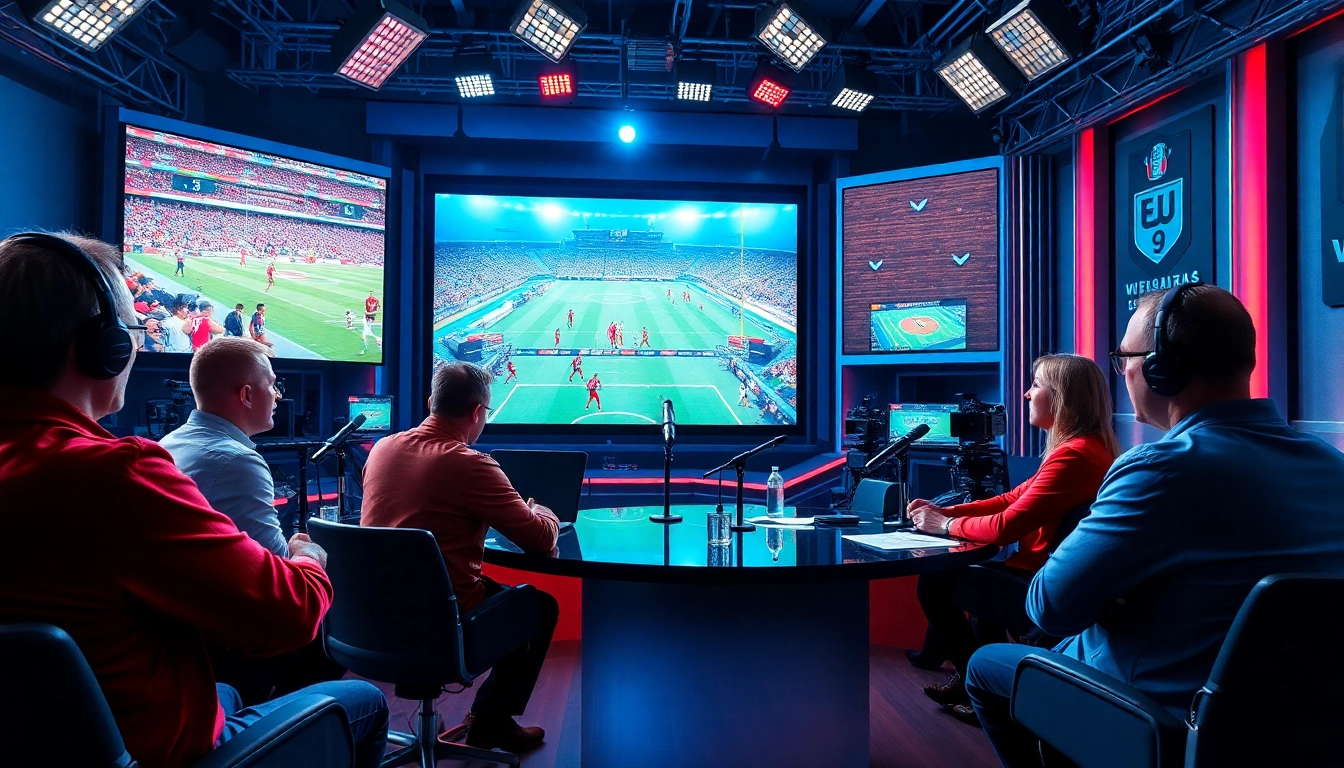
Understanding Sports Broadcasting
Sports broadcasting has transformed dramatically over the past century, becoming a fundamental aspect of how audiences engage with their favorite events. With the increasing accessibility of Sports Broadcasting through numerous platforms, it's essential to explore its evolution, core components, and the impact of digital technology on the industry's landscape.
The Evolution of Sports Broadcasting
The journey of sports broadcasting began in the early 20th century when live radio broadcasts brought sporting events to the masses for the first time. As technology progressed, the advent of television in the 1950s and 1960s revolutionized how sports were consumed, offering viewers a visual connection to events that previously existed only in radio commentary. Over the decades, cable and satellite television expanded the market, allowing for more specialized channels dedicated entirely to sports.
Today, streaming services represent the newest evolution, enabling on-demand access to events from anywhere in the world. This shift towards online platforms has democratized sports broadcasting, as fans can now choose personalized viewing experiences, from highlights to full game broadcasts. The transition emphasizes the industry's constant adaptation to viewers' changing preferences and technology advancements.
Key Components of Sports Broadcasting
Understanding the core elements that make up sports broadcasting is essential for anyone involved in this field. These components include:
- Content Creation: This involves the production of live events, commentary, interviews, and analysis that provide context and entertainment.
- Distribution Channels: The platforms through which content is delivered, ranging from traditional TV networks to online streaming services and social media platforms.
- Audience Engagement: Strategies to engage viewers during broadcasts, such as interactive graphics, real-time stats, and polls.
- Advertising and Sponsorship: Monetization strategies that leverage audience reach to promote brands and products during broadcasts.
Impact of Digital Technology on Sports Broadcasting
The advent of digital technology has significantly changed sports broadcasting, creating features that enhance viewer experiences. With high-definition broadcasts, multiple camera angles, and graphical overlays providing live stats, digital platforms create more engaging viewing environments.
Additionally, mobile applications and social media have enabled fans to consume content on various devices, offering flexibility and convenience. This accessibility fosters a closer relationship between fans and their favorite teams, allowing for immediate interaction and feedback, leading to increased loyalty and viewership.
Engagement Strategies in Sports Broadcasting
Increasing viewer engagement is crucial for sports broadcasters, and there are myriad strategies employed to maintain audience interest. With the rise of digital technology, content creators need to leverage these tools effectively.
Utilizing Social Media for Live Interaction
Social media has become a powerful tool for sports broadcasting, allowing real-time engagement between fans and broadcasters. Broadcasters utilize platforms like Twitter, Instagram, and Facebook to post live updates, behind-the-scenes content, and engage in conversations with viewers.
During live events, broadcasters may run polls or conduct Q&A sessions to involve audiences, increasing viewer retention. This direct line of communication fosters community and establishes a platform for fans to express their thoughts and feelings about ongoing matches.
Interactive Features to Boost Viewer Engagement
Incorporating interactive features such as live scoring updates, player statistics, and viewer polls can enhance the experience. Broadcasters are now adopting features that allow viewers to access personalized content according to their interests. For instance, some broadcasters offer customizable content feeds where viewers can select which camera angles or player stats they want to see.
Additionally, gamification—like fantasy leagues integrated into broadcasts—also boosts engagement, motivating fans to remain involved throughout the event. These strategies not only entertain but also keep viewers invested in the outcomes of their teams.
Creating Compelling Content in Sports Broadcasting
Content is king in sports broadcasting, and producing compelling narratives around games can transform how fans experience sports. Storytelling can take various forms, from engaging pre-game shows to insightful post-game analyses.
Highlighting player backgrounds, rivalries, and notable statistics adds layers to the viewing experience, allowing fans to connect more with the sport. Innovative segments showcasing player journeys, training regimens, and fan experiences contribute significantly to viewer appeal.
Monetization Techniques in Sports Broadcasting
As the industry evolves, so too do the monetization strategies that broadcasters utilize to generate revenue. Several models have emerged, adapting to consumer preferences and technological advancements.
Advertising & Sponsorship Opportunities
Advertising remains one of the primary revenue sources for sports broadcasting. Broadcasters utilize a range of advertising formats, from traditional commercials during game breaks to innovative placements within the broadcast itself, known as native advertising.
Furthermore, sponsorship opportunities allow brands to align themselves with teams, players, or entire events, creating a robust marketing strategy that reaches millions of viewers. Effective collaboration between broadcasters and brands can foster deeper connections with audiences, enhancing campaigns' overall effectiveness.
Subscription Models and Pay-per-View
Subscription-based models have gained traction, allowing viewers to pay for access to exclusive content. Major broadcasting companies are increasingly using this model to provide premium content, including full replays and multi-camera views of events.
Pay-per-view models for significant events, such as boxing or MMA matches, offer an alternative revenue stream, allowing fans to pay for access to specific fights without committing to a full subscription. These methods provide flexibility and cater to the diverse demands of modern consumers.
Merchandising Strategies for Sports Broadcasting
Merchandising represents another revenue avenue for sports broadcasters. They can leverage their platforms to promote merchandise related to teams and players, ranging from jerseys to memorabilia.
Strategic partnerships with merchandise manufacturers allow broadcasters to offer exclusive deals during broadcasts, creating a sense of urgency among fans to purchase. Integrating these sales efforts into broadcasts through targeted promotions can further enhance revenue streams.
Challenges Facing Sports Broadcasting
The landscape of sports broadcasting is not without its challenges. As technology and consumer behaviors shift, broadcasters must navigate various hurdles to maintain relevance and profitability.
Adapting to Changing Viewer Habits
As audiences shift from standard television to digital platforms, sports broadcasters must adapt. Many viewers prefer on-demand content delivered on flexible schedules rather than linear broadcasts.
This shift requires broadcasters to rethink content delivery and engagement strategies to capture and retain viewers. Adapting to these changing habits could involve offering more tailored content and flexible viewing options that cater to the new generation of fans.
Legal Considerations in Sports Broadcasting
Legal issues surrounding broadcasting rights and licenses are critical. Every region has its regulations that dictate how broadcast rights for events are managed, affecting how and where content can be distributed.
Broadcasters must navigate complex copyright laws and ensure compliance to avoid potential lawsuits, which can be costly and damaging to their reputation.
Competition from Alternative Viewing Options
The rise of platforms providing alternative viewing options, such as streaming, social media, and video-on-demand services, intensifies competition in the sports broadcasting sector. These options often offer tailored experiences that cater more closely to consumer preferences.
To counteract this threat, traditional broadcasters must innovate, offering compelling reasons for viewers to choose their content over competitors. This could include enhancing broadcast quality or integrating viewer interaction features.
The Future of Sports Broadcasting
As we look toward the future, various trends and technological innovations will shape the next phase of sports broadcasting. Understanding these developments is vital for staying ahead in a rapidly evolving environment.
Pioneering Technologies Shaping the Industry
Emerging technologies, including 5G networks and artificial intelligence, promise to enhance the quality and accessibility of sports broadcasts. 5G technology enables higher-quality streaming and live broadcast capabilities, opening new avenues for direct fan interaction and enhanced viewing experiences.
AI can be employed for data analytics, improving game commentary and providing insights into performance metrics that enhance fan engagement and deepen their connection with the sport.
Innovations in Augmented Reality and Virtual Reality
Augmented reality (AR) and virtual reality (VR) are set to redefine how sports are consumed. These technologies promise to create immersive experiences, allowing fans to feel as if they are part of the action, whether from the comfort of their living rooms or during live events.
With AR, viewers can access interactive stats overlaid on live broadcasts, while VR can transport fans to virtual stadiums, allowing for a shared experience with other fans worldwide. These innovations are likely to radically alter the dynamics between viewers and sports events.
Predictions for Sports Broadcasting Evolution
The sports broadcasting landscape will continue to evolve, driven by technology and changing consumer preferences. Expect to see a greater emphasis on personalization and interactivity, with broadcasters focusing on tailoring experiences to individual fans rather than generic broadcasts.
Moreover, as data analytics improve, personalized content recommendations could become the norm, enhancing viewer satisfaction and loyalty. This trend suggests a future where sports broadcasting is not just about delivering content but creating a comprehensive experience tailored to each viewer's preferences.
Frequently Asked Questions
What is sports broadcasting?
Sports broadcasting involves the transmission of live or recorded sports events through various media channels, including television, radio, and online platforms.
How has digital technology impacted sports broadcasting?
Digital technology has enhanced viewing experiences, allowing for high-definition broadcasts, multiple camera angles, and interactive features that engage viewers.
What are common monetization strategies in sports broadcasting?
Common monetization strategies include advertising, subscription models, pay-per-view options, and merchandise sales related to events.
What challenges do sports broadcasters face today?
Sports broadcasters face challenges such as adapting to changing viewer habits, navigating legal considerations, and competing with various alternative viewing platforms.
What is the future of sports broadcasting?
The future of sports broadcasting will focus on personalization, interactivity, and emerging technologies like augmented reality and virtual reality to enhance viewer engagement.